
Mexico. Great stories are for everyone, and on the occasion of World Accessibility Awareness Day, Netflix shared its latest innovations to make content increasingly inclusive.
Ten years ago, non-English language series and movies accounted for less than a tenth of total views on the platform. Today, they represent more than a third. In addition, in 2025, 70% of views were from members who saw a title originating from a country other than their own.
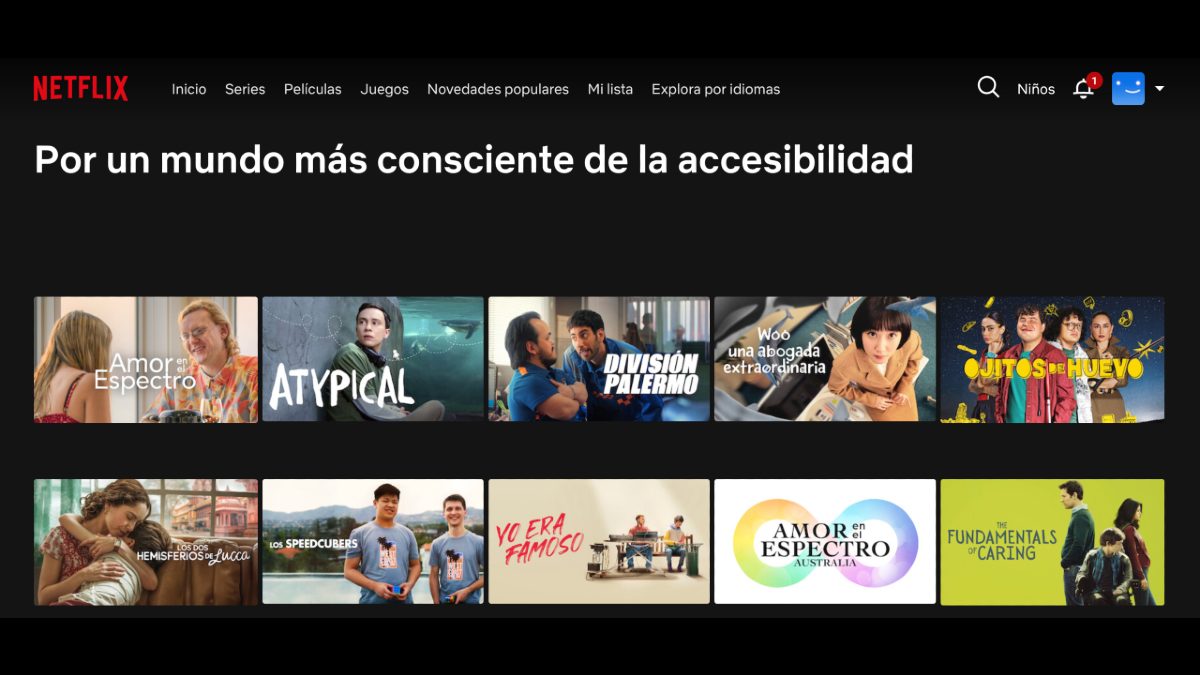
During this month, Netflix presents the collection "For a more accessibility-conscious world", a special selection of stories that represent the perspectives of people living with disabilities. And this is just the beginning. It will also continue to expand its accessibility tools and incorporate more languages and formats in the future, including sign language.
Currently, Netflix series and movies are available with subtitles, subtitles for the deaf and hard of hearing (SDH/CC), audio description and dubbing in more than 30 languages. Titles such as Squid Game and Adolescence (originally in Korean and English, respectively) are among the most watched with subtitles. While Merlina and Si la vida te da mandarinas are among the most viewed by members who use dubbing or audio description. In Mexico, these tools have allowed more people to connect with local and international stories in new ways.
The company has strengthened its audio description coverage. In 2025 alone, the service added more than 13,000 hours of audio description in 34 languages, a growth of more than 30% compared to the previous year.
In addition, this year "Explore by language" was launched, a new update that allows you to find series and movies by language and accessibility features, directly from the search bar on any device. So, if you're trying to learn a new language through your favorite Mexican series, with Korean dubbing and English subtitles, or if you're watching the latest stories with family members who speak multiple languages, the Netflix experience is much more multilingual.
In Latin America, stories have been promoted that make visible different experiences related to disability and inclusion. Argentine titles such as Goyo and División Palermo, as well as Mexican stories such as The Two Hemispheres of Lucca, Ojitos de Huevo and Kemonito have connected with audiences by presenting authentic, human and close perspectives on diversity, resilience and representation on screen.