
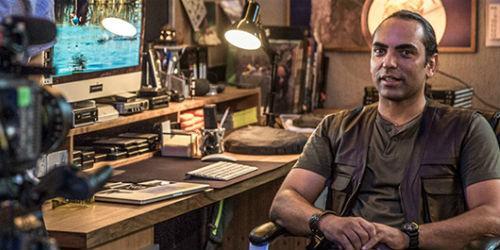
 Brazil. Using a variety of custom-adapted camera techniques, Emmy Award-winning cinematographer Cristian Dimitrius offers a gripping new insight into the wildlife of his native Brazil. Câmera Selvagem is a new type of reality show now available to viewers of Brazil's National Geographic channel.
With the help of ARRI cameras and LED soft lights, Dimitrius gives this wildlife reality series look. When asked about the quality of the images produced by the cameras, he said: "On a scale of 0 to 10: 10! And the texture we have on the show is something we've never seen on similar shows on this channel. And I can't imagine doing it with any other camera."
It is a wildlife series with unique characteristics. Can you say a little about her?
This series is unique in many ways. The plot deals with the process of obtaining a unique image of a unique wildlife sequence using a single device. The way we present it is what makes this program special. We use a very cinematic look for a reality show, and highlight the conflicts between the three main characters: a wildlife filmmaker, an engineer, and a science genius with totally different personalities and who need to successfully complete a joint mission. The show has drama, comedy, adventure, action, and of course, lots of wildlife.
In each episode we elaborate a different type of camera shot so we must build new equipment to achieve it. The process has three parts. The Lab, where I explain what shots we need and brainstorm to create the specific device needed to achieve it. The Factory, where we turn the idea into a real device and manufacture it from scratch. If everything goes well, we go to the stage known as The Field, where we will go to get the shot. Here we have no control of the external elements and the camera device is put to the test. Sometimes it works, sometimes it doesn't.
Were different visual approaches used for the different phases of the programme? How did you decide the look for each of them?
Each part has a different visual approach. The Lab is the most cinematic phase. It is very colorful and full of accessories, such as an adult kindergarten, with many toys. The Factory is more metallic and harder, with cooler lights. It is a real factory so we have some control over the light mixing ambient light sources with artificial sources. It's the part where we use short clips to show the manufacturing process, with lots of slow motion, macros, and point-of-view shots. The Field is where we move towards a more reality look, just natural light, more camera movements on the shoulder, where everything happens very quickly. We try to keep very little depth of field so that you don't lose that feeling that the rest of the program has.
It would seem that most of the shooting days were dizzying and unpredictable. Which cameras did you choose and why?
Like any outdoor wildlife shoot it was really dizzying and unpredictable. We chose the Arri Amira for most of the program and the Alexa Mini for special shots. Both were chosen mainly for the quality of their sensor and the look of the image. Then, for its versatility and ability to operate in various environments and, of course, its reliability. The cameras had to be running all the time. We could not afford any failure. Its size, ergonomics and weight were also ideal for a small team like ours.
How did the Amira and Alexa Mini tolerate the hot and humid conditions?
Very well. We didn't have a single problem with any of the cameras. AMIRA was our workhorse. We shot with her in all kinds of environments throughout the day, from the beautiful island of Fernando de Noronha to the heart of the Pantanal. The Alexa Mini was great for shooting at different angles and for use in Steadicam. I think they are a great combination because of the exceptional quality of what you get with them, which makes the post-production ones happy. Definitely, a spectacular set of cameras for a series of these features.
Did you use LUTs and internal ND filters? What do you think of them?
We shot all the sequences in Arri LOG C due to the variety of different environments and to have more flexibility in post. The AMIRA's ND internal filters were essential for outdoor shots because we had no light control. ND filters could be easily added without changing the f-stops and maintaining the same depth of field. I think it's an excellent feature and I can't imagine shooting as fast and as intense as this one having to add external ND filters. We would waste too much time and sometimes even take it whole.
When will Nat Geo put this show on the air?
The show has been airing since July 16. We have eight totally different episodes. I'm sure people will enjoy this new format.
What's next?
Season 2, a few more stories from other parts of the world for my TV show Globo and a new wildlife series off the coast of Brazil. There is still a lot of beauty left in this world that needs to be shown to the largest audience and I will continue to look for that unique shot to share with everyone.