
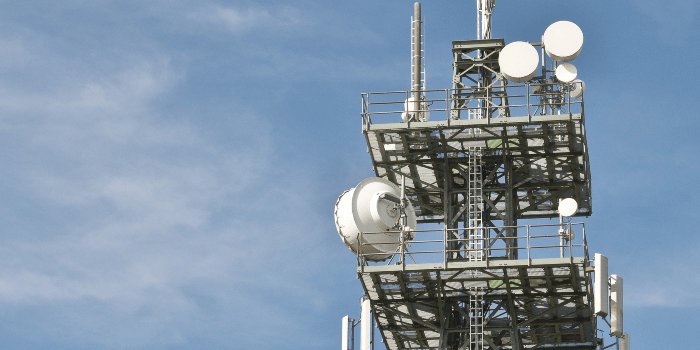
 Peru. The Deputy Minister of Communications, Virginia Nakagawa, expressed concern about the dissemination of false information regarding an alleged relationship of the COVID-19 pandemic with the deployment of telecommunications infrastructure, such as antennas.
Before representatives of government, regulation and the telecommunications industry in Latin America, he said that this campaign, which affects citizens by cutting their right of access to connectivity services, occurs not only in Peru, but in many countries in the region, so he asked to work in a coordinated manner.
"Telecommunications infrastructure must be protected, especially in these times of remote work and distance education. We have to fight this fake news in all regions and not focus only on Lima because we are counteracting a powerful weapon of dissemination that is social networks," he said.
In that sense, he said that "the existing plans should not be stopped and the deadlines must be met" although he stressed that everything must be done with "economic rationality", so that the private and public sectors can carry out a good development of telecommunications initiatives.
In this regard, Nakagawa Morales said that investments need clear rules, solidity, economic rationality, legal and contractual certainty; and that the plans continue their course despite the situation of instability that is transversal to all areas.
The deputy minister participated in the meeting of the Inter-American Telecommunications Commission (Citel), belonging to the OAS, where she explained the evaluation of the policies and regulations that have been worked on during the Covid-19 pandemic; and the actions taken to address the telecommunications emergency.
He highlighted the legislative decrees published during the emergency to expand telecommunications infrastructure more quickly and easily; and the other for the temporary allocation of radio spectrum for six months, extendable only once for the same period.
"I am pleased to report that two companies in the country have already been granted temporary spectrum and in this way this good of the State is made available to the private sector so that services are expanded to more Peruvians and reduce the digital divide," Nakagawa concluded.