
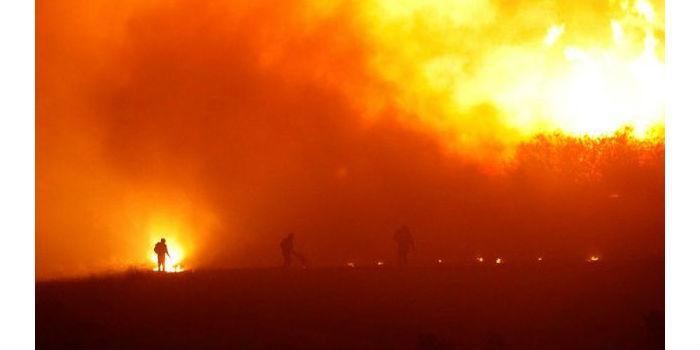
 Chile. Chile is currently experiencing a tragedy due to different fires that have caused the death of twelve people, left more than 400 houses in ruins and consumed several hectares of forest. In the midst of the tragedy, which could not be controlled by firefighters, the National Television Council has received about 20 complaints about the treatment of information on television.
The entity delivered some recommendations to the television channels among which they emphasize that: the emotional state in which the affected people are, avoid the reactivation of the pain of the people who have happened, do not reiterate images with people in situations of pain or vulnerability and do not abuse audiovisual resources that overdramatize the facts as music; predominance of close-ups of faces, post-production effects and recreations that simulate emergency or disaster situations.
"We call on channels to be responsible with the type of information that is given to citizens. When natural disasters such as the fires that affect the Metropolitan, O'Higgins, Maule and Bío Bio regions occur, we must be careful with the treatment of the victims when informing the population. The news coverage carried out by television channels is essential to know the needs and actions of the institutions that respond to emergencies. However, it is in these circumstances when the protocols and tools that ensure a responsible delivery of information are evaluated," said the president of the CNTV, Oscar Reyes.
"We have observed that some professionals who report in the field may fall into the situation of interviewing emotionally vulnerable people who are seeing their physical integrity at risk as that of their assets," he added.
To date, the CNTV has received 20 citizen complaints for the coverage of the fires registered in recent days that appeal to the informative treatment of the victims and the sensationalism of the journalistic notes.
The CNTV studies reflect the concern of audiences about the coverage of catastrophes who criticize the abuse of painful images or the intrusion into the privacy of those affected, as occurs when images of children or people in situations of pain are recorded. Other excesses that audiences disapprove of are the use of dramatic music to accompany the images or the reiteration of them.
Given the wide news coverage deployed by the television channels, the CNTV sent a letter to the television channels to express its concern about the news treatment of this national catastrophe.
To this end, the CNTV has made available the document Recommendations for media treatment of victims of disasters, which can be consulted by clicking here.