

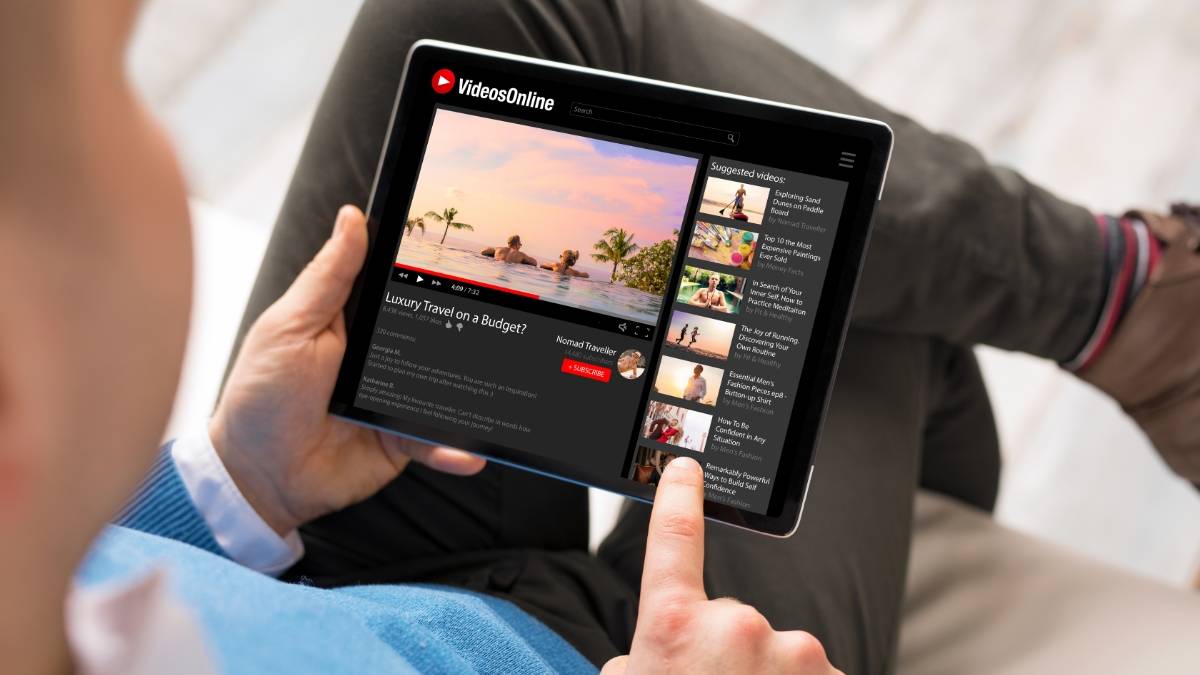
In this second part, security options to protect information and streaming content are addressed.
Carlos Pantsios Markhauser, PhD, IEEE*
Protecting data across all systems in operation
- The vast majority of broadcasting companies work on multi-operation network systems, with some predominantly running macOS.
- When it comes to cybersecurity, macOS is frequently appreciated, as it is considered more secure than other operating systems, due to its UNIX-based architecture and Apple's focus on adding the latest security element developments to new versions of its OS.
- It's imperative for broadcasters to keep in mind that while macOS is more secure against external cyberattacks, it's almost as vulnerable to external threats as its alternatives. Data can be copied almost as easily from a computer running macOS as it can from Windows or Linux.
- To achieve the same level of data protection on all their computers, broadcasting companies should look for the best macOS cybersecurity options on the market. In the case of a multi-OS environment, it is necessary to focus on solutions that offer feature parity between all operating systems, achieving the same level of protection of the computers that make up the system.
Formally, in the world of streaming there are two different possibilities: 1) video streaming and 2) live streaming.
Video streaming is related to videos pre-recorded and uploaded on streaming platforms, such as OnTheFly. On the other hand, live streaming refers to the broadcasting of videos or audios in real time to users, both on social media channels or on any entertainment platform without prior recording.
The broadcasting of "live" events, with appropriate security measures in place to prevent unauthorized access, piracy, data breaches, and other threats, is fundamentally about securing "live" streaming. This ensures that the "live" streaming is only accessed by authorized users, preventing any type of cyber theft.
Ensuring private "live" streaming is essential at events such as concerts, product launches, corporate events, sporting events, news streams, live interviews, company training, and many more.
In the case of "live" streaming, the protection of content is achieved through the following steps:
1-Password Protection. Basic security measures such as password protection manage valuable content by means of a key, so that it is kept protected and under control within the community. Several streaming platforms offer password protection elements that ensure the protection of users at the point of entry, and allow streaming with a sense of authority over the content, by allowing the possibility of changing the password at any time.
2-Securing Data Centers and CDNs. Data centers are the devices where content is processed and delivered to users. CDN servers help deliver content inadvertently over the internet. CDNs eliminate the jitter that streams may have to their inputs, delivering them to streaming platforms with quality assurance of the content sent to users. Here, data security is achieved with password protection and SSL (Security Socket Layer) encryption, a security protocol that creates an encrypted connection between a web browser and the web server. Some CDN-equipped platforms have data centers that work with encryption.
3-Use of SSL/TLS encrypted Paywalls. Paywalls that employ SSL and TLS (Transport Layer Security) encryption are absolutely necessary, if live streaming activity is critical to revenue.
Encryption protocols, such as AES-128 or AES 256, provide a strong wall of protection to stop hackers from entering. A unique authentication key ensures that hacker attacks on content are stopped.
4-GEO - Blocking. If streaming is offered for the global market, the content must be protected with so-called Geo-blocking, which restricts access to specific geographical locations.
5-Secure Hosting. The seamless securing of video hosting is only possible with a few reliable platforms that offer additional security features such as SSL encryption and password CDN protection.
6-Delivery by HTTPS. In the streaming business there are certain aspects that generate trust. One of them is delivery by HTTPS with SSL certificate. This gives the user a sense of security from third-party threats and malicious attacks. HTTP is based on the TCP protocol and therefore generates security of the data to be transmitted in the most secure way.
7.-Restrictions based on IP. Streaming platforms are exposed to numerous threats and attacks from intruders and the best way to secure the data they carry is through the access restrictions that IP offers, allowing only selected users to access the streaming content.
8-Avoid DDoS attacks. The most disturbing attacks at a live streaming event are DDoS (Distributed Denial of Service). These can overload the server with excessive requests that can block the live streaming broadcast. For this reason, it's worth investing in CDN-enabled platforms to prevent DDoS attacks.
9-Screen Sharing. Screen sharing and recording are very common threats to streaming networks today, but thanks to DRM (Digital Rights Management) it is possible to protect content.
Some of the most popular platforms on the market like OnTheFly, Netflix, and Amazon offer advanced security features that prevent screen recording or screen capture.
Conclusion
Security is an essential aspect of "live" streaming and streaming in general. Managing it properly has great long-term benefits. For maximum security, it's worth considering alternatives to the Streamyard for live streaming. In the long term, securing content against threats and copyright allows expensive content to be reused and safeguarded, making it worth prioritizing protecting it and sending it via streaming without fear.
To read the first part of this article, click here.
Text written by Carlos Pantsios Markhauser, PhD, IEEE. he is a Telecommunications Engineer, PhD in telecommunications electronics, Master in Communications from the Simón Bolívar University, with a Specialization in Satellite Telecommunications and Networks from The George Washington University - School of Engineering & Applied Science, Specialization in Digital Telecommunications from the University of Colorado Boulder. He works as a postgraduate professor in the telecommunications schools at the Simón Bolívar University and Andrés Bello Catholic University. In addition to being a professional consultant in TV projects based in Argentina.