
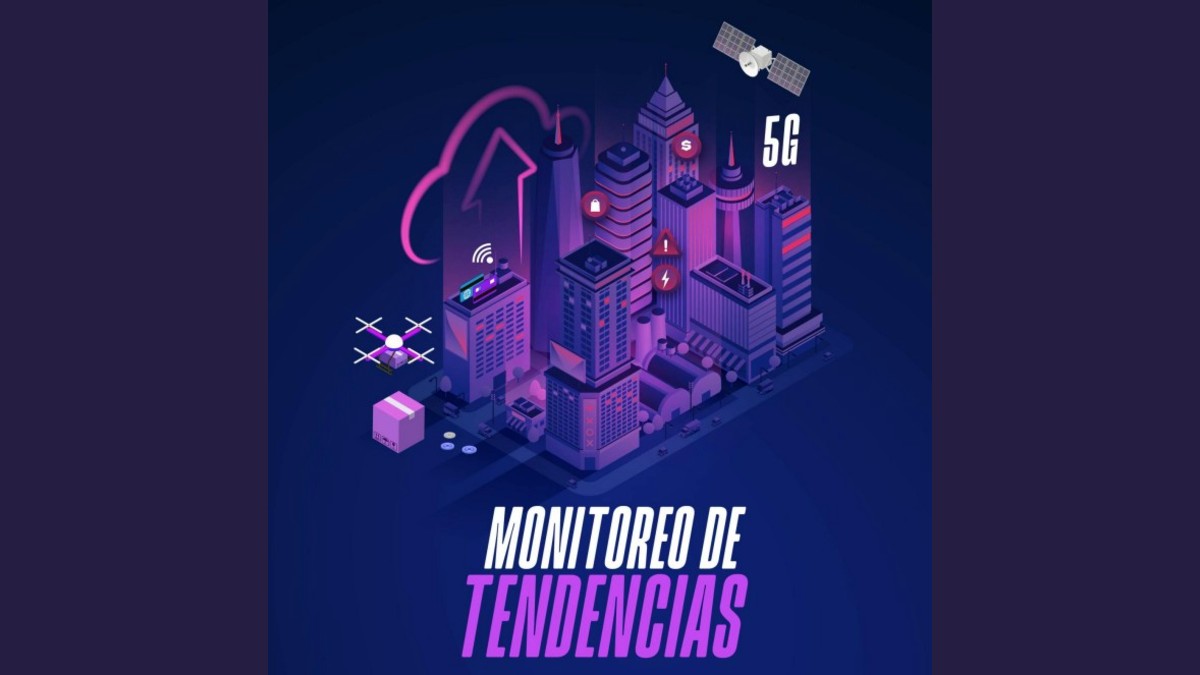
Colombia. The Communications Regulatory Commission, CRC, published the Trend Monitoring – 2025 Edition, a comprehensive analysis that identifies the main technological, industrial and regulatory transformations that will mark the evolution of the telecommunications, audiovisual and postal sectors in the coming years.
This exercise, which the CRC has been developing continuously since 2020, has established itself as a key tool for anticipating changes in the digital ecosystem, evaluating the business models that generate these changes and strengthening the regulator's capacity to respond in a timely manner to market challenges and the needs of users and audiences.
Trend Monitoring serves a dual purpose: on the one hand, it serves as a technical input for the design and implementation of projects and regulatory measures aligned with the reality of the industry; and on the other, it offers the sector and citizens a broad overview of how the evolution of these markets is projected, facilitating a common understanding in an increasingly dynamic and globalised environment.
Three sectors, the same challenge: adapting to change
In the audiovisual sector, the analysis shows how the use and integration of technologies such as cloud, edge and AI are changing the way content is created, distributed and consumed. Processing is split between the cloud, network, and devices, improving efficiency and delivering immersive experiences and increasingly personalized content.
The technological progress of the three sectors coexists with a critical challenge in terms of sustainability: the energy consumption of data centers could exceed 1,000 TWh by 2026, which raises the need to incorporate energy efficiency criteria.
In the telecommunications sector, the study analyzes the transition of operators towards TechCo models, driven by the evolution of networks towards intelligent, flexible and highly automated architectures. This change responds to a growing demand for greater efficiency, personalization of services and optimization of the use of resources.
At the global level, several trends show this change: In particular, significant growth in 5G is projected, which will reach 6,300 million subscriptions by 2030, of which 3,700 will correspond to 5G Stand Alone (5G SA). For its part, the network slicing market will have a significant expansion, going from USD 1.92 billion in 2025 to USD 13.49 billion in 2030. These growths will be accompanied by the expansion of high-capacity connectivity, with an FTTx market that could double and an accelerated growth of non-terrestrial networks (NTN 5G).
In the postal sector, the monitoring shows a structural transformation driven by e-commerce. Postal automation is consolidated as one of the main drivers of this change, its incorporation allows a growth projection of the sector that will reach USD 1,686 million in 2032. At the same time, revenue streams other than traditional mail accounted for 72% of total revenue in 2023, and the letter-to-parcel ratio is projected to reach 1:1 by 2025, reflecting a definitive shift in the sector's business model.
The 2025 Trend Monitoring allows you to:
- Identify technological, industrial, and regulatory trends that promote more efficient, resilient, and inclusive networks.
- Guide strategic decision-making for the sustainable development of the sectors, technological modernization and the effective protection of users and audiences.
- Strengthen the sector's knowledge of the global dynamics that affect telecommunications, postal services and audiovisual content.
The study was built from a process of research and continuous monitoring, with consultation with specialized sources such as multilateral organizations and international consulting firms. The topics were defined and prioritized based on a needs identification exercise developed within the framework of the 2025–2026 Regulatory Agenda.
"With this fifth monitoring, the Commission reaffirms its commitment to evidence-based, forward-looking regulation aligned with the real dynamics of the markets. This exercise strengthens the regulator's ability to anticipate technological transformations, understand their economic and social impacts, and design timely responses that promote innovation, competition, and the protection of users and audiences. By making this analysis available to the sector and citizens, the CRC contributes to building a common understanding of the challenges and opportunities of the digital ecosystem in the country," explained Claudia Ximena Bustamante, Commissioner and Executive Director of the CRC.
To access the full analysis, click here.