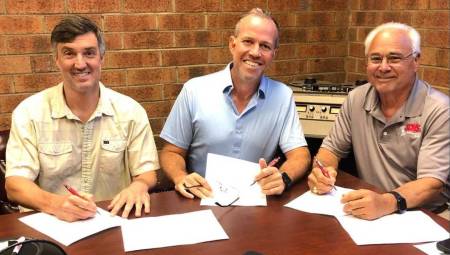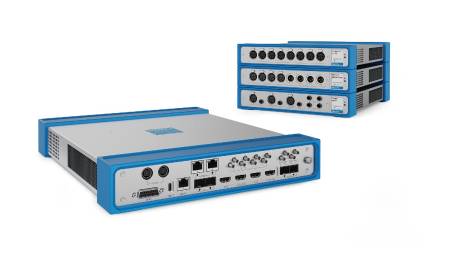

 Peru. Worldcast Systems currently has a strong expansion plan throughout Latin America, presenting new equipment with much more competitive prices, new options such as the 10-year warranty, innovative technologies for IP transmission. Thanks to that work they are seeing significant growth in sales.
Eduardo Villanueva, head of sales for Latin America, told TVyVideo+Radio that as part of this expansion process, the company develops "an instructive work, in which I have been explaining new technologies for more than 20 years in Latin America, making the information friendly to the user, so that they know what they buy, how to use it and receive what they expect."
And that's just the work they're doing in Peru. He commented that the brand has made a very good image in the Peruvian market thanks to the quality of its products and the 10-year warranty it provides to its customers. And it is they who through voice to voice advertise them and this year they have exceeded the sales goal.
"The renewal of FM equipment and the new licenses for broadcasters are our two main focuses for the Peruvian market in terms of transmitters. Same with the issue of processors, being a relatively new brand with digiplexers. Our work goes hand in hand with the local distributor, Broadcast Peru," he added.
On the subject of IP in the Peruvian market, he stressed that it is just beginning to evolve due to the problems that the country has in terms of connectivity in the provinces. As this is a problem that is improving, now comes the task for manufacturers to explain to Latino radio and TV professionals how it works and how they can benefit from IP technology and help them define a solution appropriate to their needs.
He concluded that "in Latin America the broadcaster needs support and trust. Today there are fewer engineers every day and that is why we must give support to the end user, either at the level of engineer or general manager, bring them information in a friendly way about equipment, technologies and prices. Many technologists have been killing FM radio for a decade, but I tell them that today there are more stations than ever, more equipment companies, so the information must be clear."