

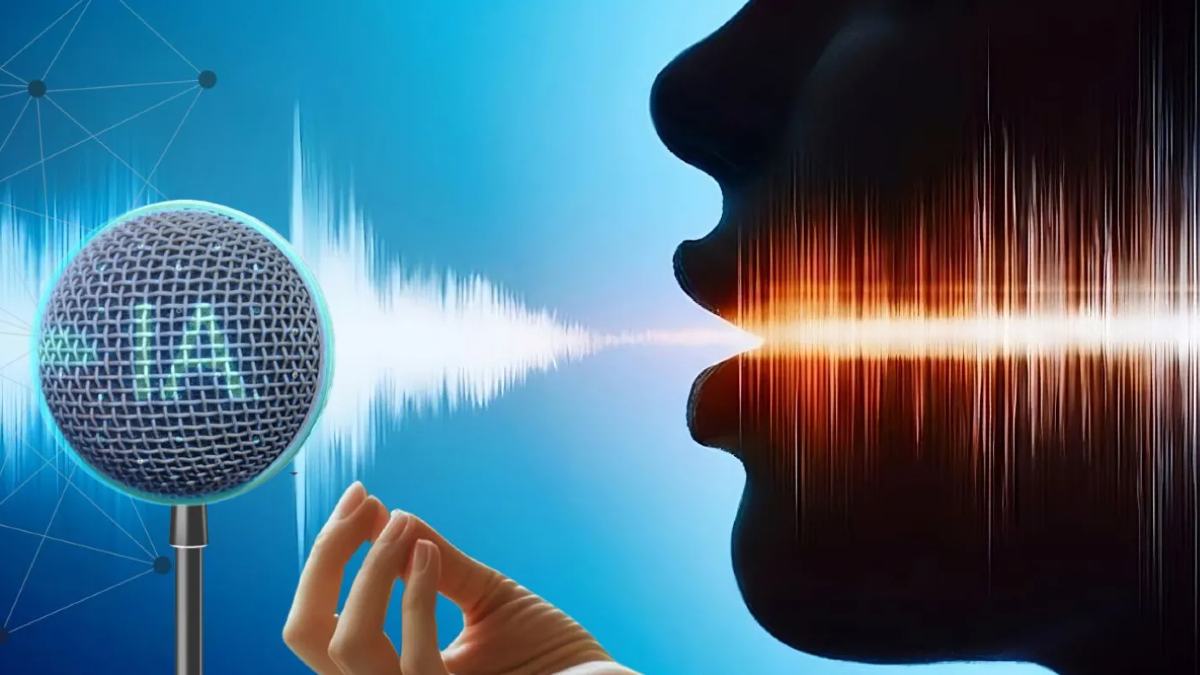
Latin America. Since 2011, UNESCO has proclaimed February 13 as World Radio Day, a day dedicated to thanking broadcasters for the news they broadcast, the voices they amplify and the stories they share. This year the impact of artificial intelligence is the protagonist.
AI opens a new chapter, not only to innovate, but also to deepen the bond with listeners. According to UNESCO, if used ethically, in support of the criteria, creativity and public service values of radio professionals, AI can become an ally to strengthen the trust of the general public.
Artificial intelligence (AI) isn't just a difficulty to deal with; It is also an opportunity to reinvent radio with care, creativity and connection. It invites us to dream big, to go further and to respect the time, intelligence and expectations of the listener.
AI can help radio flourish intelligently. How?
Ease and fluidity: letting technology take over repetitive tasks, such as scheduling, deferred voice-over, daily weather and sports reports or administrative functions, so that the human team can dedicate themselves to what really matters: informing, educating, entertaining...
Meaningful growth: providing a deeper understanding of the audience, linking advertising to the needs of the listener and enabling better revenue.
Cultivating listener autonomy, helping everyone feel included and offering personalized experiences, real-time interaction, and space for the expression of underrepresented voices that are worthy of being heard.
Quality content, putting AI at the service of fact-checking and sources, the rediscovery of the richness of archives and more truthful and rigorous journalism, while maintaining the central place of human judgment.
The sum of all this generates something invaluable: trust.
A thoughtful approach to AI
To get the most out of AI, UNESCO stresses that radio stations need more than just tools: they need a strategy. This, in turn, means:
clear and scrupulous policies and internal guidelines on the ethical use of AI;
respect for privacy, intellectual property, data ownership and transparency;
scrupulous use of generative audio (AI-generated music, voice cloning, AI generation of synthetic audio, etc.);
investment in people, in their skills, their growth, their collective work;
legal and security controls to manage new risks, data storage and transfer, liability issues, etc.
Technology alone does not build trust. Radio stations do.