
Brazil. Semear Filmes, a creative studio based in Rio de Janeiro, relied on Blackmagic Design cameras and a post-production dynamic that revolved around the company's products in the most recent presentation of "Stories We Invent About Us" (Stories We Invent About Us).
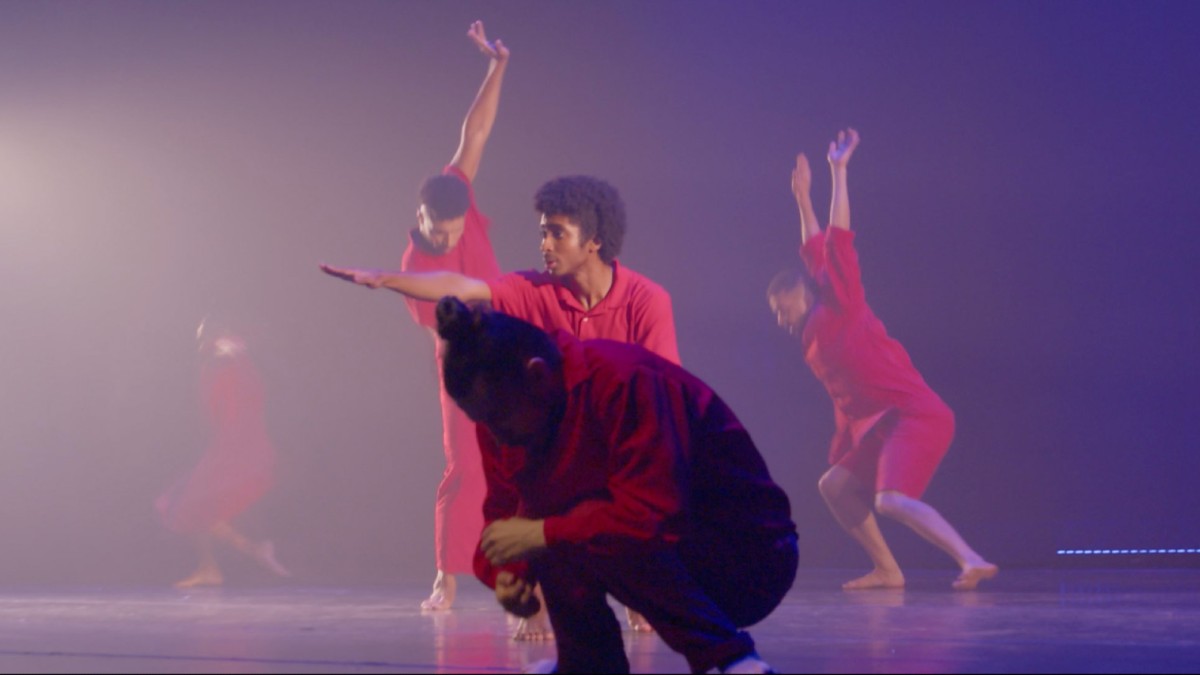
In addition to capturing the acclaimed live performance of the Esther Weitzman Dance Company, Semear Filmes produced a documentary that provides an intimate behind-the-scenes look at one of Brazil's most respected contemporary dance groups.
Filmed at the historic Carlos Gomes Theater in Rio de Janeiro, the performance marked the dance company's 26th anniversary and brought together 22 dancers from different generations with the aim of calling for reflection on memory, identity and the human body through movement.
Semear Filmes specializes in capturing live performances from a cinematic perspective, using the Blackmagic Pocket Cinema Camera 6K Pro and Blackmagic Pocket Cinema Camera 4K digital models, as well as an iPhone with the Blackmagic Camera app. Beatriz Oliveira and Angélica Oliveira were in charge of the production, while Jorge Cabide served as sound engineer.
"'Stories We Invent About Us' is an immensely personal work about the layers of memory and identity that we all carry inside," said Guto Neto, director, head of photography and owner of Semear Filmes. "To do justice to that intimacy in front of the camera, I needed artistically flexible and technically capable tools. In addition, as a director and operator, I needed the equipment to be light, discreet and easy to handle, especially during rehearsals and behind-the-scenes sequences."
"The Pocket 6K Pro gave me cinema-quality images in a size compact enough to move freely, often at the same height as the actors, without drawing attention or interrupting. In addition, it allowed me to work intuitively and adapt quickly to the expressive needs of both the setting and the documentary. By combining the flexibility of the Blackmagic RAW format with DCI resolution, gyroscopic stabilisation, built-in ND filters and intuitive monitoring with LUT tables, this camera proved to be an ideal tool for filming a show where time, body and memory demanded both technical precision and artistic freedom."
During the presentation, Neto, together with cinematographer João Costa, shot a wide master shot using the Pocket Cinema Camera 4K, while another of these units and a Pocket Cinema Camera 6K Pro were used handheld to record medium shots, precise body movements and expressive close-ups. Neto also used the Pocket Cinema Camera 6K Pro model and the Blackmagic Camera app to capture behind-the-scenes footage and observational shots for the documentary.
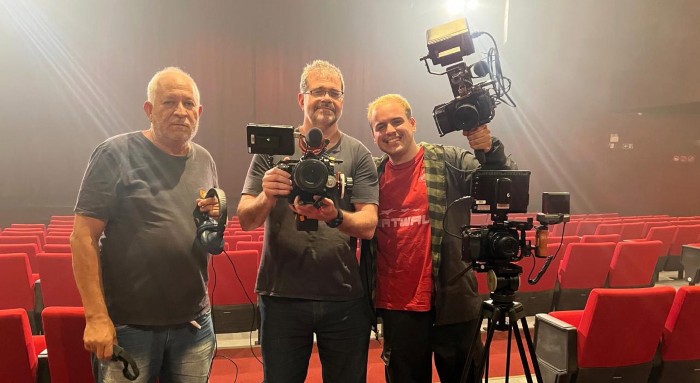 "The Blackmagic Camera app was used as a strategic and flexible tool during rehearsals and behind-the-scenes moments, particularly in situations where space was limited or where it was necessary to go unnoticed. The app gave me the ability to shoot cinema-quality footage with great agility and discretion, which is an advantage when documenting spontaneous interactions, transitions between rooms, or delicate moments during the dancers' creative process," Neto observed. "Being able to shoot in 10-bit logarithmic format with full manual control, using the same principles of exposure and colorimetry as motion picture cameras, ensured that images could be easily integrated into the main timeline without causing a break in aesthetics."
Post-production took place in DaVinci Resolve Studio, including multi-camera editing, color grading, sound design, and final delivery, with the assistance of a DaVinci Resolve Speed Editor and a DaVinci Resolve Micro Color Panel. Neto underscored how essential DaVinci Resolve's AI-assisted tools were in perfecting sound and visuals quickly. For example, in order to subtly control background exposure without additional lighting in interviews, Neto used the relighting effect in addition to the voice isolation function to clean up spontaneous recordings recorded behind the scenes, where noise and reverberation were unavoidable.
"Although the project did not require an intensive use of visual effects, Fusion played a fundamental role in cleaning up the animations of the titles and applying tweaks, for example, in the removal of signage or the correction of inconsistencies in the background," Neto commented at the end.
"Fairlight was also an essential part of the process in balancing and EQing all the dialogue and processing it to make it clearer. I also layered ambient sounds from behind-the-scenes rehearsals and recordings to create an immersive sound experience, and employed spatial effects, such as reverb and sound distribution, with the idea of placing viewers in those spaces. In turn, loudness control and bus assignment capabilities were critical for preparing mixes for multiple destinations, from stereo to online platforms," he concluded.