
Mexico. TV Azteca worked hand in hand with Malak XR Production Studios and Evoke Studios, with the aim of gamifying the network's weekly two-minute updates on the results of the polls during the broadcasts of the 2024 Mexican elections.
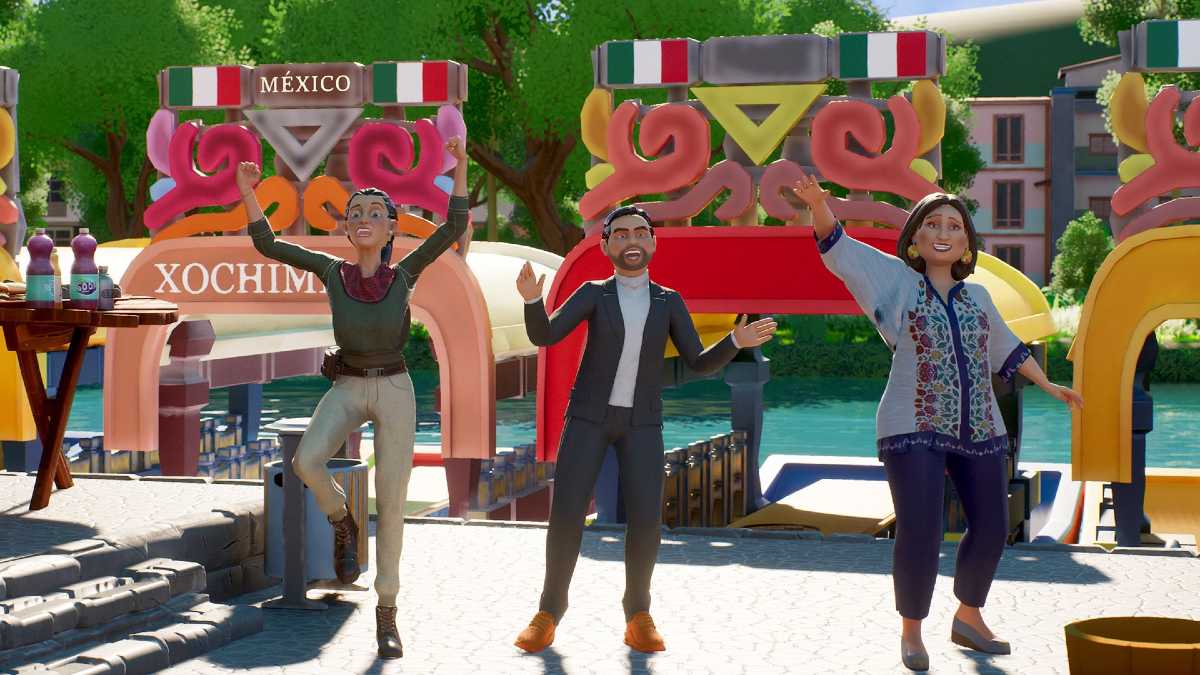
With the help of a global team of skilled project managers, illustrators, animators, texturizers, and programmers, Evoke Studios created four multi-level, yet challenging, gamified worlds. Here, the avatars of the presidential candidates competed with each other for a position in the polls.
With multiple creatives working on the project, one of the challenges faced by the Evoke Studios team was ensuring continuity of style across all backgrounds and assets. "This result is based on extensive preparation work, research, and clear and concise communications," explains creative technologist and project manager, Karim El Fatatry of Evoke Studios, who has a background in video games. "To do this, we used several project management software systems that allow each team member to see the entire project in real-time, wherever they were in the world."
In total, four Super Mario-style worlds, mimicking popular Mexican landmarks along with cultural and leisure activities, provided the stage for the presidential avatars to compete against each other. Each week, avatars embarked on various challenges and adventures, echoing real-time results from political polls. By turning complex polling data into visually dynamic experiences, the channel ensured that its viewers experienced the Mexican electoral process in an engaging and understandable way.
"TV Azteca wanted the coverage of the 2024 elections to be an immersive narrative experience. They wanted viewers to be able to explore survey results in real-time through the lens of various personalized and gamified worlds," continues El Fatatry. "We worked on the project for three months, making the most of the different time zones that our global team of creatives come from. Our job was to create a digital stage, which allowed TV Azteca to insert the avatars of the political candidates that its team of creatives had created. TV Azteca gave us a lot of creative freedom. In response, we created worlds that were places of fascination, vacation, or culturally important to Mexicans."
The team at Evoke Studios used a lot of texture and color references from the real world, which added to the feeling that the avatars were immersed in a modern, albeit animated, version of Mexico. There were also certain cultural references that TV Azteca wanted to replicate. "It's a bit like creating a 360-degree digital collage. Some images are created from scratch and other resources are imported and modified," explains El Fatatry. "The challenge is to make the environment appear coherent and believable, wherever the virtual camera looks in the digital world."
Once the worlds were complete, the avatars of the competing candidates were placed. The television network oversaw the control of their movements and the angle of the camera within the digital worlds. "This meant that each of the worlds we created had to be fully rendered and available to the virtual camera," says El Fatatry. "The candidates' avatars could also trigger events in those worlds, which would slow them down or speed them up. Each event would reflect something that was happening in the political polls. For example, avatars could be doing a bicycle race around a volcano. A candidate could hit a rock and fall off the bike, slowing them down. Alternatively, one could discover a shortcut that would put him in the polling position."
Each week's final product was a two-minute recorded music video, although the content appeared to be a game and the avatar candidates triggered many of the content's events.
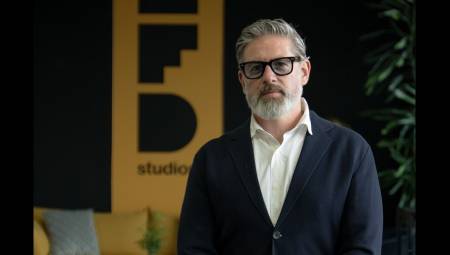
Urs Nyffeneger, co-founder and creative director of Evoke Studios, concludes: "When we started this project with Malak XR, we all hoped to have completed a fully equipped XR studio for TV Azteca. This would have allowed us to bring presenters into the gamified environment as well. However, for reasons beyond our control, that part of the project was delayed. However, our client was delighted with the result, and the success of the animation element of the project has already opened the door for future collaborations between Evoke Studios and media outlets around the world."
As the digital landscape continues to evolve, gamification and interactive storytelling are proving to be powerful tools. They improve public understanding of current events, from elections to economic updates and beyond. Evoke Studios is very much part of that evolution.