
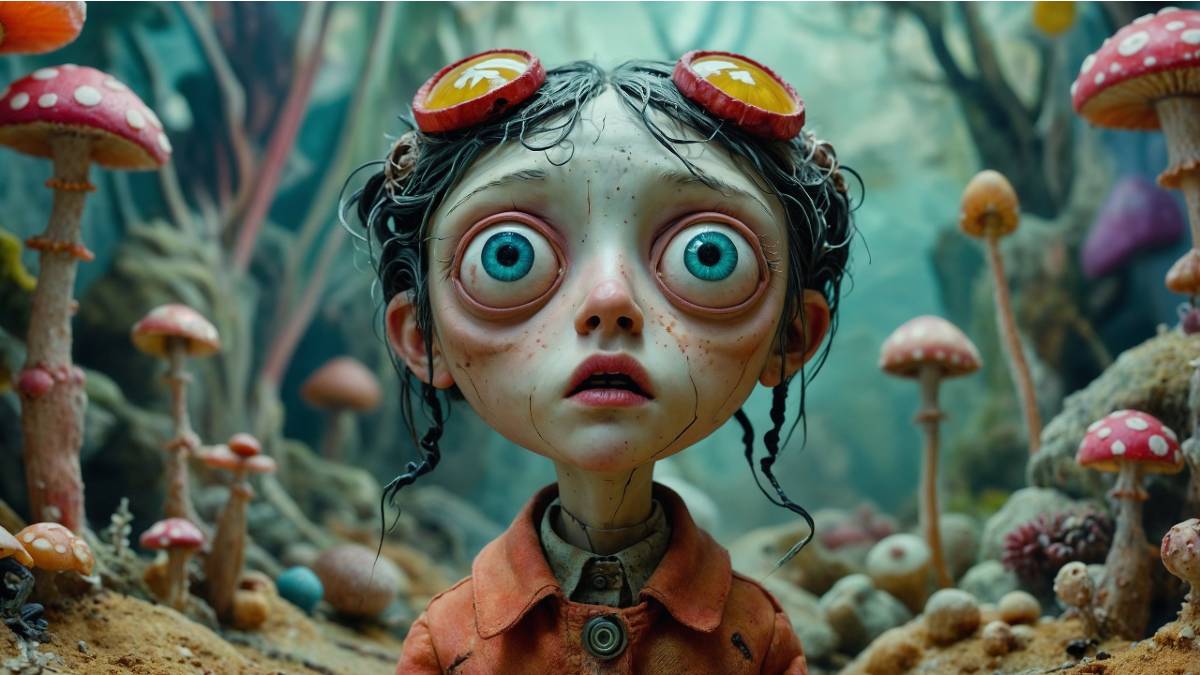
Mexico. Cinema, as we know it, is experiencing an unprecedented technological revolution. Artificial Intelligence (AI) is no longer a futuristic tool but a reality that alters every aspect of film production: from scripting to digital acting to video editing. But does this transformation represent a positive boost to creativity or does it put at risk the authenticity that has defined the seventh art for decades?
The global impact of AI on cinema is evident. According to PwC's Global Entertainment and Media Outlook 2023-2027 report, the AI market in media and entertainment is projected to reach $99.48 billion by 2027. This impressive growth is due to the advantages that AI offers: reduced costs, faster production and the ability to personalize content for different audiences.
One of the most controversial points is the use of AI to create "digital talent". Currently, the technology is capable of replicating voices, facial expressions and movements of actors, generating digital doubles that can replace human beings on screen. Voice actors and film actors have raised their voices in Hollywood and Mexico, demanding stricter regulations to prevent AI from replacing their work. Can digital versions of actors offer the same emotional depth as human beings? This question remains unanswered, but it is undeniable that we are facing a profound change.
On the other hand, AI's ability to generate scripts and direct scenes has popularized access to film production. According to General Creator Economy Statistic, there are more than 45 million content creators in the world, and this number continues to grow. In Latin America, the number of digital creators has increased by 210% in recent years. With the help of AI, anyone can now be a director, leading to an explosion of creativity, but it also raises a concern: will artistic quality be lost due to the quantity of production?
Machine learning (ML) is transforming film production, streamlining processes such as video editing and script generation, allowing filmmakers to work more efficiently. A study by PwC suggests that automation using ML could increase global revenue in the industry by 12% by 2025. But at what cost? Filmmakers will have to find a balance between taking advantage of these new tools and keeping alive the creative essence that has made cinema such a special art.
However, despite these challenges, AI also opens the door to creativity. Filmmakers now have access to advanced tools that were previously reserved for big studios. From creating digital characters to personalizing content, AI allows creators to explore uncharted territory, which could be the start of a golden age for cinema.
Despite the concerns, AI opens up a range of possibilities for creativity and faster access than it previously took editors and post-producers to do. Content personalization, thanks to AI, allows viewers to enjoy experiences adapted to their tastes and preferences. "Imagine being able to watch a movie that fits your emotions in real time, or a script that evolves based on audience interactions. The possibilities are endless, and we're just beginning to discover all that this technology can offer," says Freddy Chavez, Creative Director of AI and Innovation at Boxel Studio (Superman & Lois, The Mandalorian). AI-based tools can complement human talent, providing inspiration and allowing artists to experiment with new techniques, from creating digital characters to generating visual and audio content.
AI could be seen as a great complementary tool to enhance talent, the key will be in the collaboration between humans and machines, allowing AI to inspire new ideas without losing their artistic essence. Freddy Chávez sums it up perfectly: "The future of cinema is not yet written, it will depend on how the industry decides to integrate these technological advances without being left behind, maintaining the artistic essence that has made cinema a global cultural pillar. If we can find that balance, cinema can reach new heights of creativity and expression."
It's inspiring to think about the possibilities that arise when we combine human creativity with the power of AI. Now, with AI transforming the industry, filmmakers face the challenge of keeping the artistic essence alive in the midst of this technological revolution. Cinema, as an art, has always known how to evolve over time, there is no reason to think that AI cannot be part of that evolution. With the right approach, AI could be the tool that drives the next wave of creative innovation in the film industry, enabling creators to tell more impactful, exciting, and connected stories with their audiences.
Analysis published by Freddy Chávez Olmos, Creative Director of Artificial Intelligence at Boxel Studio.