
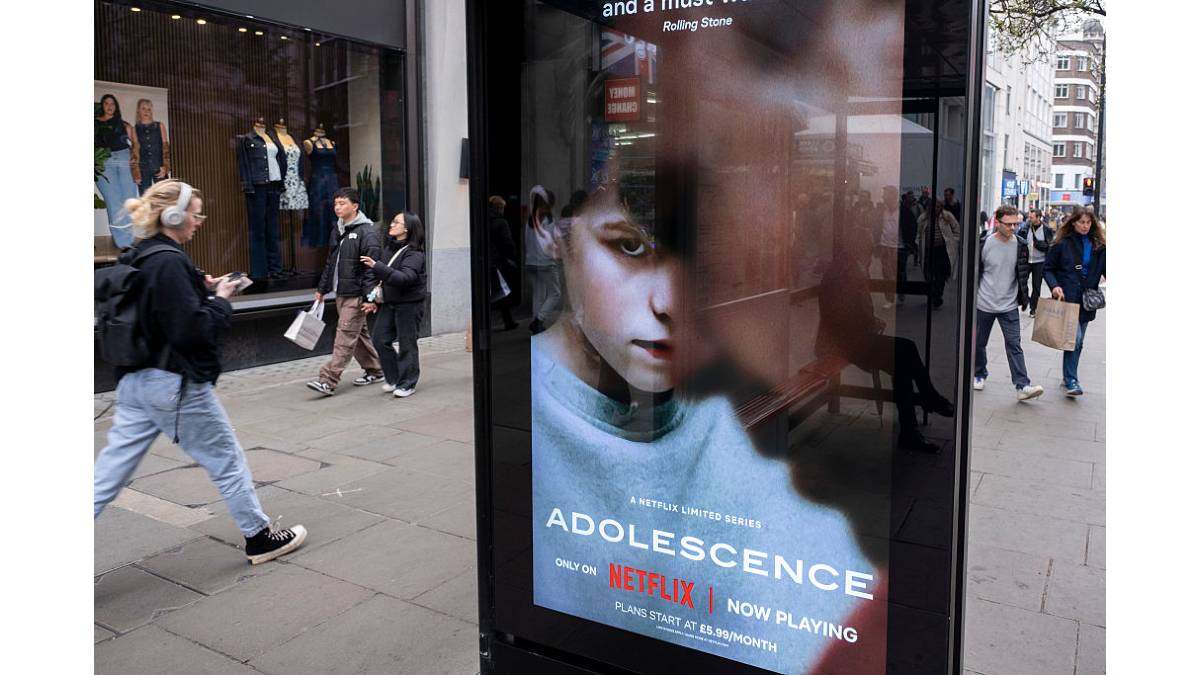
Latin America. "Creativity takes courage," proclaimed the great Henri Matisse, and few productions exemplify this better than Adolescence, the bold and emotional four-part British miniseries that premiered on Netflix in March.
Created by Jack Thorne and Stephen Graham and directed by Philip Barantini, Adolescence has captivated global audiences not only for its intense subject matter – exploring the emotional consequences of school violence – but also for its bold narrative approach. Each episode was filmed in a single continuous take, a technical and artistic feat that demanded extraordinary precision in all departments.
The series quickly made history, becoming the first streaming-only series to lead weekly TV ratings in the UK. By April 2025, it was the third most-watched Netflix series of all time, racking up more than 124 million views worldwide.
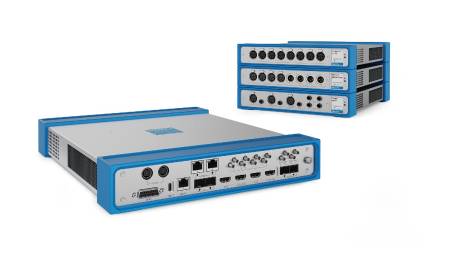
Behind the scenes, the complex challenge of lighting a production shot entirely in one take fell to lighting chief designer Max Hodgkinson and cinematographer Matt Lewis, with support from desk operators Grum Leesmith, Olly Suckling and Martin Winton. To overcome this challenge, they relied on the ChamSys MagicQ MQ250M Stadium console and GeNetix network distribution nodes. The ChamSys system allowed them to respond instantly to changing scenes, angles, and moods, often while the camera was rotating 360 degrees.
An example of the flexibility of the ChamSys system can be seen in a highlight of the third episode, during a tense conversation between 13-year-old Jamie, accused of murder, and his forensic psychologist. The scene required changing and changing lighting according to the emotional changes of the teenager, without casting shadows as the camera rotated around the room.
"We programmed various signals to simulate changes in natural lighting, such as the passage of clouds," Grum Leesmith explained. This masked the lighting transitions and kept shadows away from the actors and walls, which is crucial to maintaining the illusion of real-time narration.
Another vital component was the MagicQ's remote control capability, which allowed the desktop operations team to move freely around the set during programming and rehearsals. The console's full functionality on a tablet meant that even in a busy environment, the team could maintain control without being tethered to a table.
"Our job is to bring the creative vision of the cinematographer and lighting manager to life," said Martin Winton. "With ChamSys, we have granular control over complex platforms and the flexibility to adapt on the fly, which is absolutely essential on a shoot like this."
Other ChamSys features that played a key role in the project included graphical display of the set using output grids, Group Grids for applying delayed times to luminaire arrays, MagicQ automation features that allowed cast and crew to trigger practical lighting signals, multi-console control with synchronized backup consoles, and remote access to the system using in-session consoles via a link from the internet to multiple locations.
Reflecting on this flagship program, Tyler Lloyd, Director of Fund Management at ChamSys, noted: "Adolescence has sparked debates in Parliament, disrupted regular radio and television programming, and most importantly, opened parents' eyes to the dangers young people face online, even in seemingly safe spaces like home or school. Contributing to a production with such global and cultural impact is humbling. It also demonstrates the professionalism, robustness and adaptability of ChamSys systems for modern film and television production."